

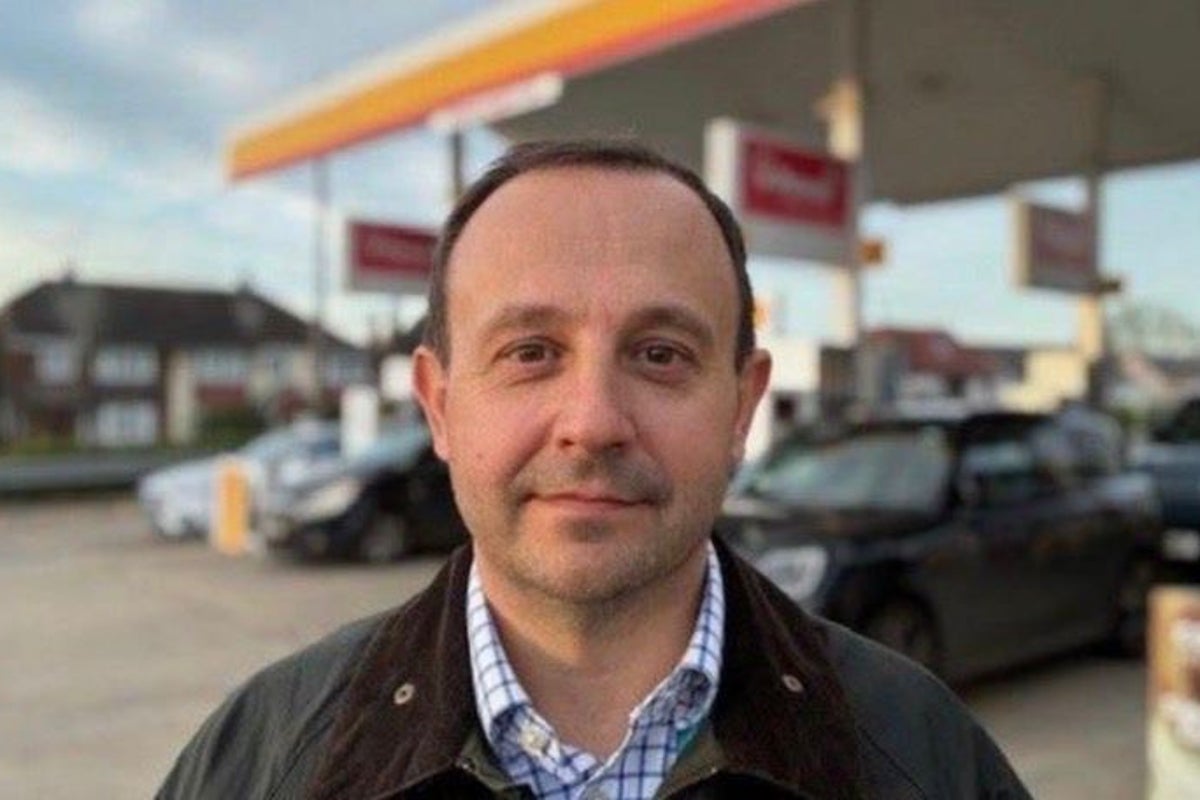
Let me see what kind of mini-mansion they live in before I care.
For years, fuel stations have been putting their forecourt price up the instant there is a hint of global supply cost increases, making a shitload of extra margin on their existing and contracted stocks. Then when global prices reduce suddenly it takes months for those reductions to filter even partially back to the actual pumps.
No sympathy.
Not sure about Europe but in the US most of these gas stations don’t make any money actually selling gas, it’s the convenience store that actually makes them money. Selling snacks, cigarettes, scratch-offs, etc.
Its the same In the EU gas stations don’t really make money selling fuel. They are actually expensive convenience stores that happen to sell fuel. I suspect that is the same all over the world. The guys making bank with fuel are the companies that actually produce it. Maybe states with taxes on fuel. Not the guys delivering it or the guys actually selling it.
what is their daily take ?
I’m going to guess £80,000 a day. And that is prolly a soft number.
Don’t you have CCTV in the UK?
It’s my understanding that I will pay not only the fuel but the contractor identifying me by my plate if I leave the gas station without paying.
I vaguely recall reading we have more CCTV than any other country. Maybe that was city and just London.
“On one day, you could lose £200 or £300 worth of fuel,” Mr Raven said. “You’ll get vehicles all coming in at once, and suddenly, within a space of two or three minutes, they’ve all left the forecourt, and you’re sitting there going, oh blimey, there’s the best part of £300 worth of fuel unpaid for, and it’s a bit like saying I’ve just wiped out my entire morning’s trade.
I assume that the pumps support some sort of prepaid-only mode of operation. Just require payment in advance.
EDIT: It sounds, from the phrasing in the article, that the problem they’re hitting is where they have a post-paid setup, where someone fills their vehicle, then is expected to go up to the register and pay, and isn’t doing so.
But another tactic is paying with credit cards where the payment is rejected. One tactic that gasoline stations use to counter that is to impose a temporary charge to make sure that there’s enough space on the card to cover the actual cost, then to remove it and put the actual charge through after the pumping is done. It sounds like that is a practice that has been spreading in the UK (in the examples in this article, half-a-year prior to the Iran conflict, so not directly driven by it):
Motorists should be aware of payment changes at Tesco, Asda, Morrisons and Sainsbury’s petrol stations if they want to pay at the pump.
Certain petrol stations impose a £120 pre-authorisation charge before you’re permitted to fill up your vehicle. This sum is “temporarily” held in your account to ensure you have sufficient funds available, with the actual amount spent then being debited at the transaction’s conclusion.
Several supermarkets have also transitioned to cashless operations at selected petrol forecourts. Last year, Asda revealed it was converting 82 locations with drive-thru payment kiosks.
Tesco further explained: "If your account balance is under £120, your card issuer should respond with the lower amount they’ll allow, and the fuel pump screen will show the value you can fill up to.
But another tactic is paying with credit cards where the payment is rejected. One tactic that gasoline stations use to counter that is to impose a temporary charge to make sure that there’s enough space on the card to cover the actual cost,
Its not actually charging the card, its blocking that amount of credit out so it can’t be spent on something else. In credit card terms this is called an “authorization”. There’s no actually money be deducted, nor is there any interest accruing to the card holder. Since at the time of authorization, the merchant doesn’t know exactly how much the card holder is going to spend, the merchant usually does an authorization of a fix amount, lets say £75. This lets the merchant know they card holder has enough credit to cover the transaction up to at least that amount.
then to remove it and put the actual charge through after the pumping is done.
Close, they remove the £75 authorization, then set a new authorization for the real amount, let say £36, then they actually charge the card which is called a “settlement”.
I agree with your main point that pre-payment solves this problem of drivers driving off without paying.
Fair enough, thanks.