

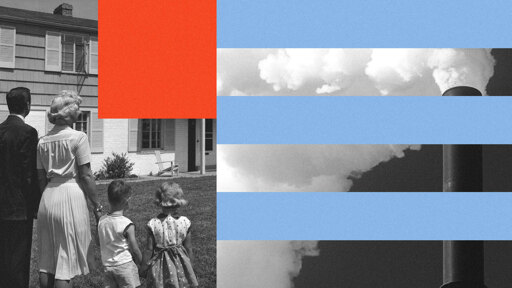
To Sierra Isley, the American Dream brings to mind a home ringed by a white picket fence. “The house in the suburbs is just what you’re taught growing up,” the 26-year-old said. “You know, that’s what you see on TV.” What she wanted for her life was a bit different from that picket-fence ideal, but she still saw the prospect of buying her first house two years ago as a chance to live out what she called “that big dream that everybody has as a kid.”
Isley and her girlfriend, Jamie, were moving from Philadelphia to Asheville, North Carolina, and found a home they liked, a three-bedroom brick house with lots of natural light and a big tree out front. With some help from their parents, they put down a deposit and got their offer accepted. But when they went to sign the closing papers, a complication got in the way: The house had a huge lien on it. After consulting with lawyers, they decided to break the contract and hunt for an apartment to rent in Asheville.
It was a blessing in disguise. One month later, while Sierra and Jamie were still unpacking boxes and building furniture, the remnants of Hurricane Helene turned Asheville into a disaster zone. The basement of their apartment flooded, but they were luckier than some of their neighbors, whose homes had been destroyed.
Owning a home has long been seen as a cornerstone of the American Dream — a way to build wealth that you could use one day to pay for your children’s education and fund your retirement. That arrangement was always more precarious than it was made out to be. But as fires and floods damage homes and drive up insurance rates, pouring your life savings into a house has become riskier than ever. In a report called “Property Prices in Peril,” the firm First Street projected last year that climate risks could knock nearly $1.5 trillion off the value of American homes by 2055. For some people, the sociologist Rebecca Elliott wrote, “the American dream of homeownership may become a nightmare.”
The American dream is a fantasy invented by bankers to get people to agree to pay them interest on mortgages for decades.