Straight from University of Florida, I trust this guide and know that incarnata and tuberosa are highly adaptable. Would be fun to include some of those other less common species too.
Thanks and I love the IFAS documentation. So much wonderful information there and I reference it quite a bit. I usually have the tropical milkweed mixed in with Sweetscent (Pluchea odorata) and that attracts a variety of native bees and butterflies as well. I’ll have to give those other milkweed species a try again…Thanks.
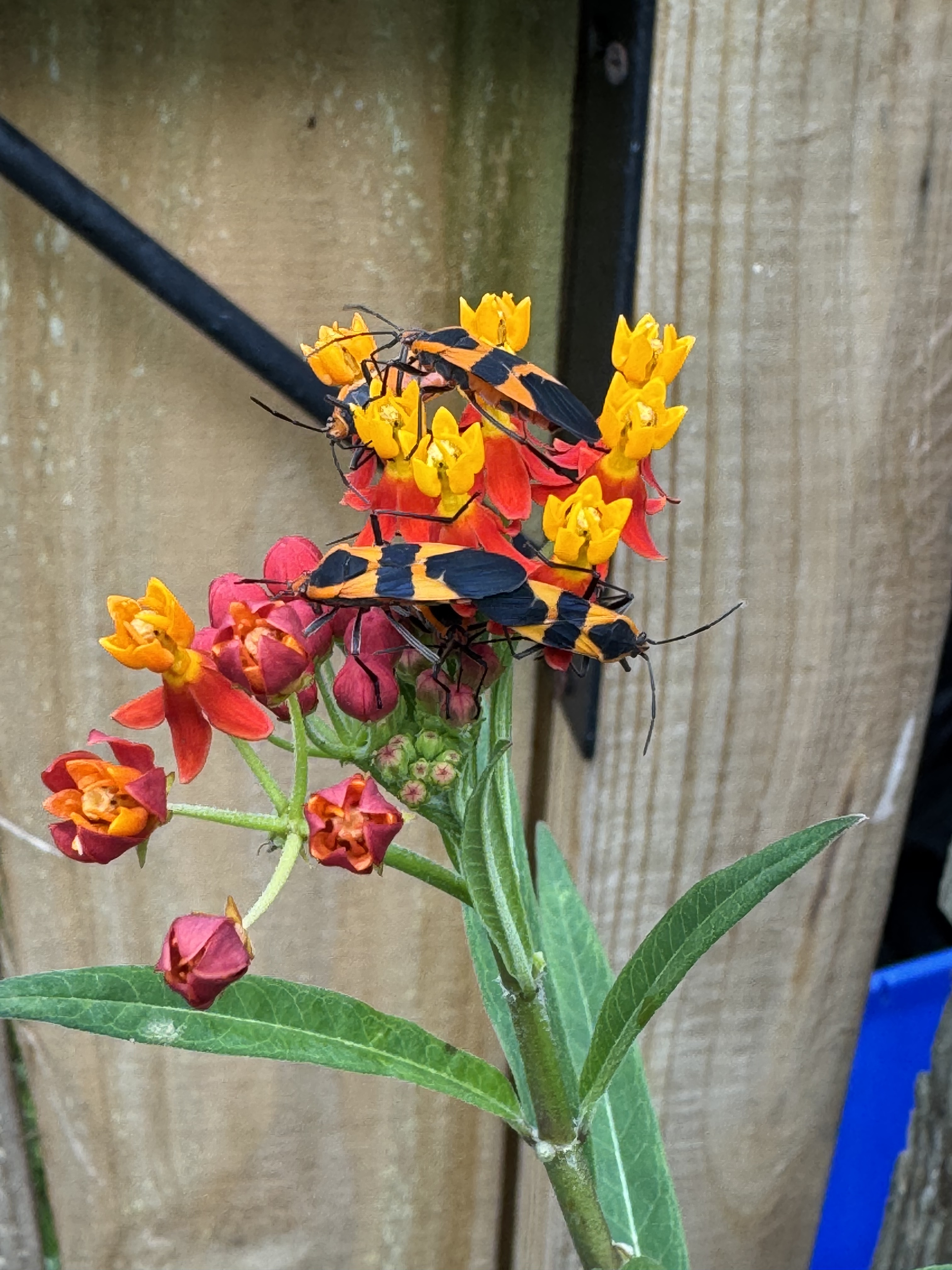
Totally fair, but still does contribute to OE and some other struggles that those poor beautiful insects really could do without.
I applaud your orientation towards native planting.
https://gardeningsolutions.ifas.ufl.edu/plants/ornamentals/native-milkweeds/
Straight from University of Florida, I trust this guide and know that incarnata and tuberosa are highly adaptable. Would be fun to include some of those other less common species too.
Thanks and I love the IFAS documentation. So much wonderful information there and I reference it quite a bit. I usually have the tropical milkweed mixed in with Sweetscent (Pluchea odorata) and that attracts a variety of native bees and butterflies as well. I’ll have to give those other milkweed species a try again…Thanks.
Pluchea odorata