

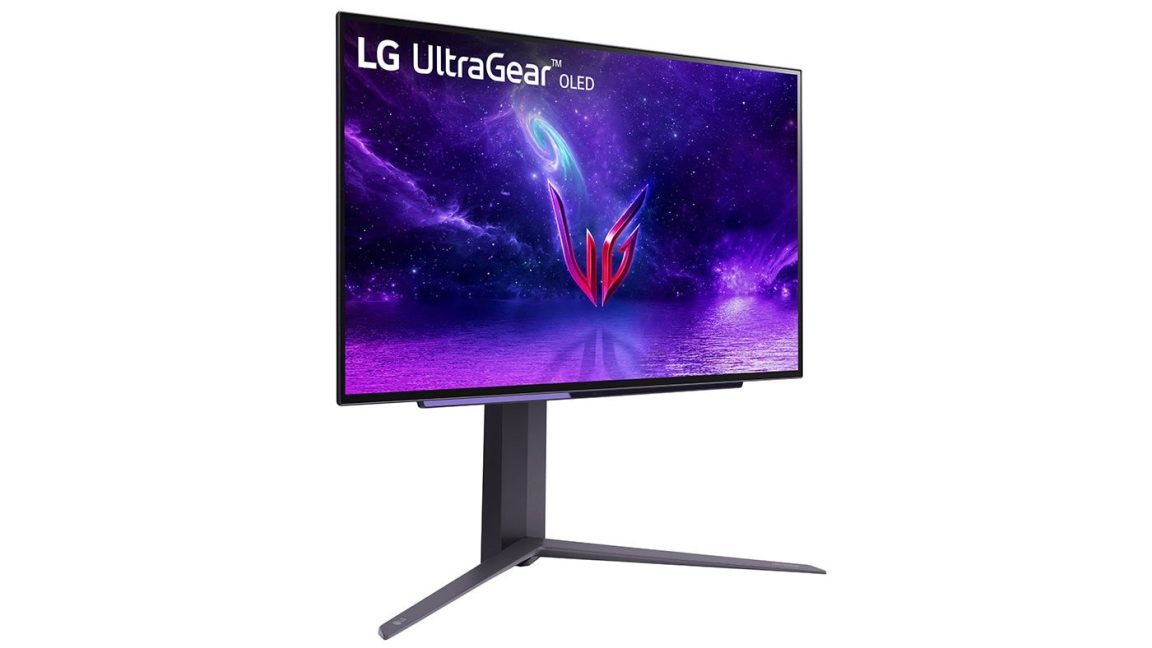
Most “Smart” TVs use Automatic Content Recognition (ACR), essentially taking snapshots every 10+ms of what you watch and hear, then forwarding & selling that data to companies for ads, etc. I now feel it’s only a matter of time before this “feature” finds its way to our ever “smarter” PC monitors.
LG with the help of Windows is already installing adware when the right Device ID is detected.
☑️ To disable ACR on TV: https://www.zdnet.com/home-and-office/home-entertainment/how-to-disable-acr-tv/
has not been immune to this type of attack. this is a trusted delivery mechanism being hijacked.
Actually, unlike on Windows, fwupd itself contains the code to flash firmware on various types of devices, and all the manufacturer provides is the firmware file itself.
On Windows you can (apparently) provide an arbitrary installer yourself instead. That said, theoretically a UEFI upgrade could mess with your system since that firmware ends up running on the main CPU itself.
It is also conceivable that you could have rogue firmware on some other device that can mess with the system via DMA (direct memory access). But then we are talking full on hacking, and likely unreliable across different kernel versions etc. Notably monitors don’t have such access. Enabling the IOMMU should also help protect against this (since that restricts what RAM addresses each peripheral can access).
What is the symptom of a Linux machine being attacked by this? What can even happen? Doesn’t the operating system need to support whatever is being installed, and also allow it to happen?
Technically, Ubuntu counts as they have had some ads for commercial (even closed) services. Assuming you wanted to set up your system as pure as possible.
The OS itself doesn’t generally know if the upstream organization pushing updates has broken their promises or not.
Did those ads show up because of something a monitor chose to install?
Not that time, but some Linux distros can also pull additional software automatically for connected hardware
The whole point of this comment thread is that Linux is or isn’t supposedly immune to this type of attack. Has this ever happened to a Linux machine that anyone knows of, that a monitor has installed software like this? If not, I think it’s safe to say we can recommend Linux over others.
To play devils advocate for them, if whoever is packaging fwup for the monitor either doesnt catch LG packaging malicious shit with it, or is for some reason allowing it to happen, it could happen.
but then you’d have the wrath of at least a thousand enraged linux nerds on your ass and their stock would probably get tanked for a day.
But I’m saying, what path does the installation take in order to even end up on disk? How would it get permission to run sudo/doas or gain root access in order to install shit, without my user/admin input?
Most linux distros have a program called fwupd that installs hardware related updates. That was my example of the way in because most hardware updates are proprietary.
Fwupd is for updating on-device firmware AFAIK. This “attack” uses windows update mechanism for automatic installation of drivers to push additional software directly on users’ PCs.
I don’t think I’ve ever been able to run fwupd without root privilege elevation and a confirmation prompt listing the incoming changes. Are there package managers out there running it for you? If so, gimme a list so I can stay the fuck away or break that script.
Discover has shown me a UEFI update before in the list of updates its wants to do and ive confirmed it. If people aren’t paying attention to updates and just updating its very much possible they could get something like that accidentally
For example, AMD recently removed RAM encryption without telling anyone via an update.
Ah, I forgot about the GUI updaters. More reason to stick with good old cli.
so, this driver is delivered part of microsofts store system. linux app repos are vulnerable to library take over. there have been a few stories but this ine almost made it into red hads enrerprise lts
https://youtu.be/aoag03mSuXQ
I don’t get it, what does the xz lib being attacked have to do with delivering and installing software on Linux, by the command of a connected monitor? Feels like a different kind of attack surface, or? Pardon my ignorance.
i meant that if it made it in the rhel, it would have arrived through a trusted path. this malware came theough a trusted path in windows. their update delivery system.
Okay well I’m asking how specifically Linux would be vulnerable to this thing in particular. Is it?