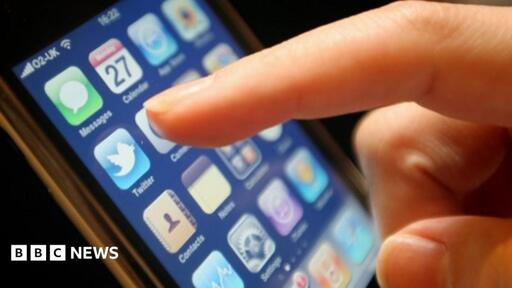
Smartphone users can do "very little" to stop security services getting "total control" over their devices, US whistleblower Edward Snowden tells the BBC in his first British TV interview.
Linux phones are way less secure than Android phones. There already exist phone os like grapheneos or lineageos or calyxos that degoogle. Linux desktop and phone don’t sandbox apps so if you install one malicious app it has access to all files on the phone your camera and so on. Even if you use flatpak the flatpak sandbox is weaker(easier to break out of) and the app dev of the flatpak app decide what permission it should have unlike on android where the user does so with major permissions like camera.
For now, yes they aren’t more secure. That’s no surprise as that hasn’t been the focus. Linux hasn’t been used in that fashion for a long time and there’s catching up to do.
Getting a linux phone on the market and getting it into many people’s hands plus that of developers will make it secure. Especially if governments invest in secure phones for their armies, special forces, and intelligence community.
I just don’t see the point. Android is open source and there already exist alternatives to the things google play services dose. Instead of the googles push nonfiction system(FCM) there is unifiedpush https://unifiedpush.org/ and alternative apps stores like f-droid or accrescent https://accrescent.app/.
I hope you a right about the security improving but i am not so optimistic of it even coming close to Android.
Android is still controlled by Goofle. They release the source when they want to and how they want to. They change the rules the same way and everybody has to scramble to adapt once the changes drop.
That’s hardly the way it should be working.
Just because android has a headstart, doesn’t mean we should stick our heads in the sand and proclaim a forever winner.

Linux phones are way less secure than Android phones. There already exist phone os like grapheneos or lineageos or calyxos that degoogle. Linux desktop and phone don’t sandbox apps so if you install one malicious app it has access to all files on the phone your camera and so on. Even if you use flatpak the flatpak sandbox is weaker(easier to break out of) and the app dev of the flatpak app decide what permission it should have unlike on android where the user does so with major permissions like camera.
For now, yes they aren’t more secure. That’s no surprise as that hasn’t been the focus. Linux hasn’t been used in that fashion for a long time and there’s catching up to do.
Getting a linux phone on the market and getting it into many people’s hands plus that of developers will make it secure. Especially if governments invest in secure phones for their armies, special forces, and intelligence community.
I just don’t see the point. Android is open source and there already exist alternatives to the things google play services dose. Instead of the googles push nonfiction system(FCM) there is unifiedpush https://unifiedpush.org/ and alternative apps stores like f-droid or accrescent https://accrescent.app/.
I hope you a right about the security improving but i am not so optimistic of it even coming close to Android.
Android is still controlled by Goofle. They release the source when they want to and how they want to. They change the rules the same way and everybody has to scramble to adapt once the changes drop. That’s hardly the way it should be working.
Just because android has a headstart, doesn’t mean we should stick our heads in the sand and proclaim a forever winner.