
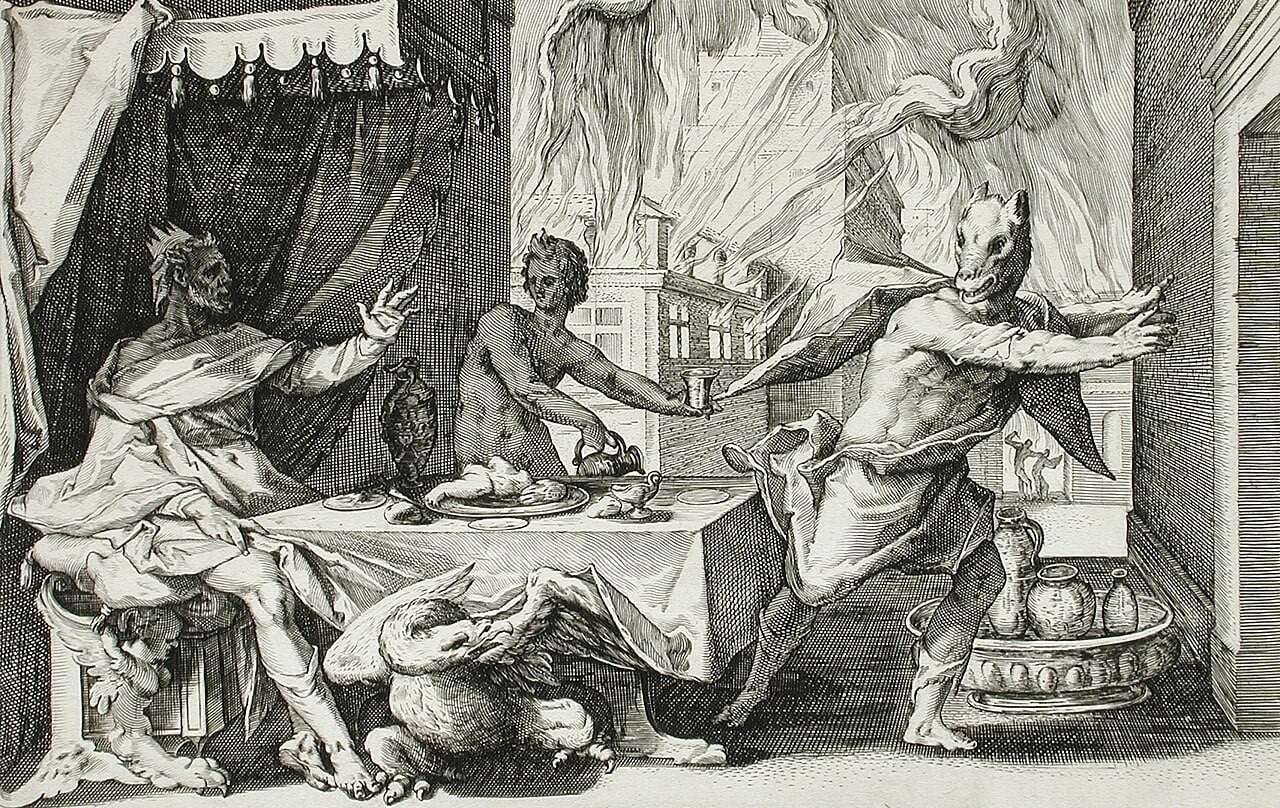
There is a rare and mysterious condition, chronicled by Byzantine physicians, in which a person genuinely believes they are a werewolf. Unlike the fantastical transformations of horror films, these individuals experience a deep conviction that they are animals—most often wolves, but sometimes cats or dogs—and behave in ways that mirror their perceived forms.
Modern medical science classifies this condition as lycanthropy, a recognized psychiatric disorder. Patients experience delusional beliefs of transforming into a wolf, and little is known about its clinical features or effective treatments. The term lycanthropy has been used since Antiquity to describe the belief in human-to-wolf transformation, often accompanied by the exhibition of animal-like behaviors.
Across the centuries, its definition has remained largely consistent. A person is thought to acquire the characteristics of a wolf, roaming at night, wandering through cemeteries, and attacking humans and animals in search of raw flesh. This perceived metamorphosis into a werewolf, preserved in the medical texts of Byzantinevphysicians and scientists, is reflected in a rich body of earlier literary work also spanning mythology, theology, and history, and it has also drawn the attention of modern physicians, particularly psychiatrists. Lycanthropy is a composite Greek word derived from lykos (λύκος, wolf) and anthropos (άνθρωπος, man).