

ETA: summary…
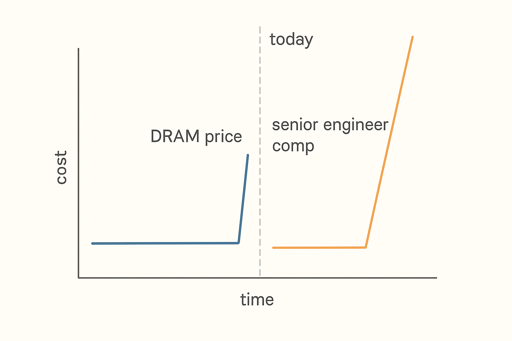
Author describes how agentic coding tools have disincentivized the developer training and mentorship pipeline that the software industry has implicitly relied on to produce seasoned developers, predicting that once the shortage is fully realized it could take years to reverse.
The solution proposed is for managers and senior developers to get ahead of this shortage by foregoing the immediate yet shortlived productivity maximization offered by the agent-multiplied-senior structure in favor of longterm sustainability by deliberately facilitating experience fan-out to juniors.
The methodology proposed is based on a successful nuclear engineering apprenticeship program carried out on active service naval submarines.
Yeah part of why I posted it here was to avoid causing juniors unnecessary anxiety. It’s ultimately seniors who will need to have a plan in place to prevent this. And to be clear no senior worth their stripes wants this, because yes it would be soul sucking.
What would be the point? We’re already solving solved problems and reproducing known design patterns for someone else’s product. Money problems are solved pretty early in a developer’s career, so for most that motivation has diminishing returns. Meaningful work is harder to come by where the air gets thin, and developing people is where many of the best developers rediscover it. They won’t just give that up and spend every workday managing bots for nesting yacht riches.
Also new tools are just tools. Anyone who thinks they can replace human judgement needs to read more. Stakeholders will prioritize short-term profits because they’re free to be greedy shortsighted fools, but engineers who are any good at their jobs don’t have that luxury. They look ahead. They have a bench. Because that’s the job.
So i wouldn’t worry about this too much. If you want a takeaway from articles like this, something to give you an edge, maybe check out the new tools. Learn how to run them on basic local machines, how to train them, and understand what they can and (more importantly) can’t do. Even if it’s just to prove to yourself why they could never replace you.