

“We’re extremely concerned about the shedding of plastics or other chemicals into the environment,” because this can expose humans and animals to toxic plastic additives, leading to hormone disruption, chronic inflammation and reproductive problems, says chemist Jennifer Lynch. She heads the Center for Marine Debris Research at Hawaii Pacific University in Honolulu.
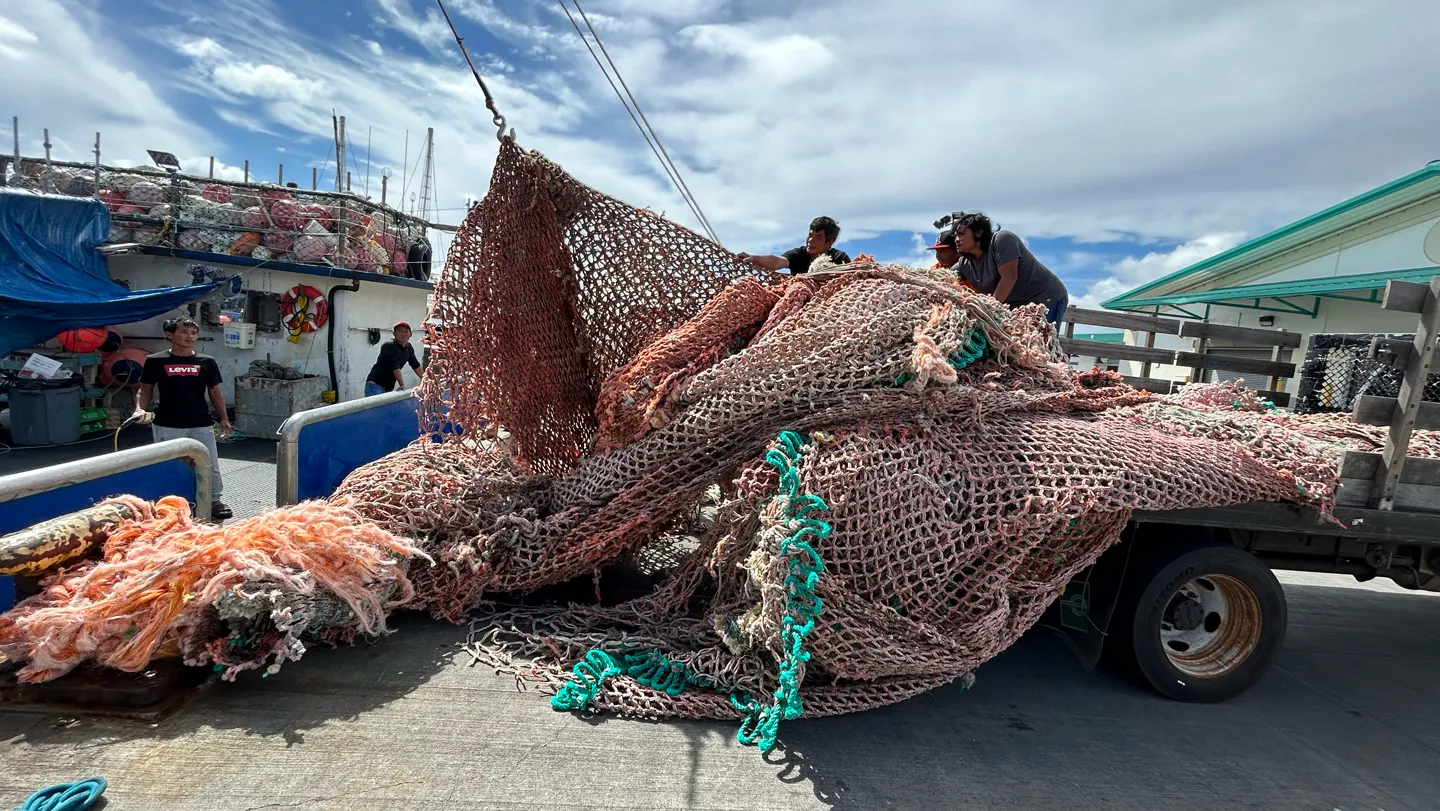
The center runs the Nets-to-Roads program in which marine biologist Mafalda de Freitas and colleagues collect and sort marine debris and plastic gathered from beaches, picking out waste made with a durable plastic called polyethylene found in milk jugs, yogurt containers and fishing nets.
The waste and nets are sent to the U.S. mainland, where they are shredded and ground, then returned to an Oahu-based pavement production facility, where they are mixed with other ingredients to make asphalt. The hot mix is loaded onto trucks and used to pave a length of road on Ewa Beach on the southwestern side of the island, Lynch says.
what is correct is the words “can be heavier”: we really need to stop normalizing heavy vehicles, EVs would be great if they were all lighter and smaller than their ICE equivalents.
And best part? That would also decrease the amount of electricity you need to move them, meaning more range or smaller batteries.