

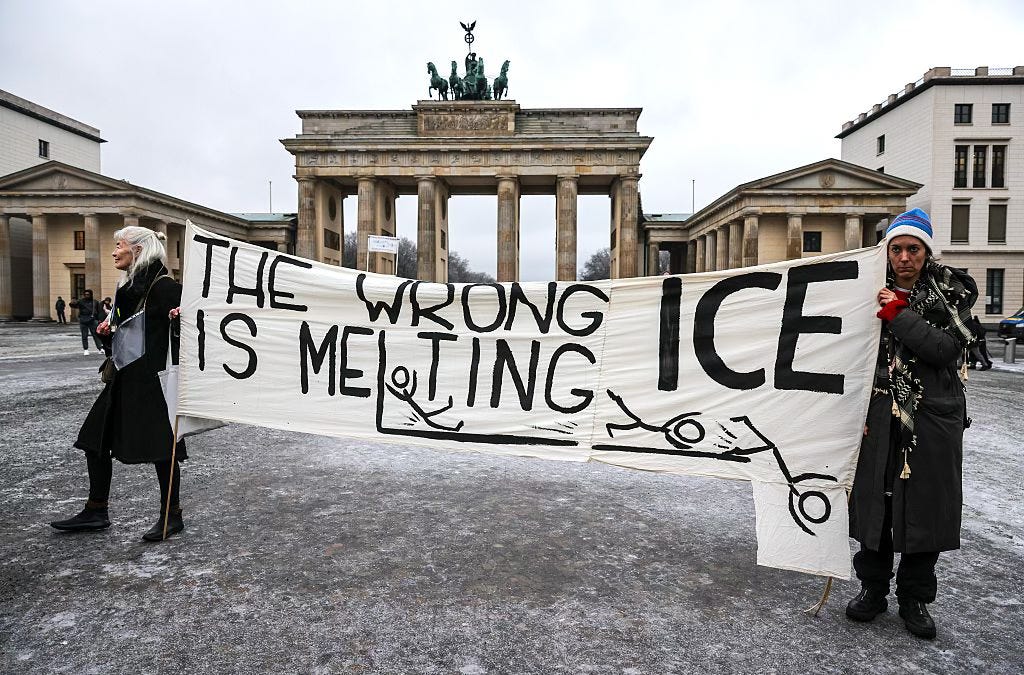
As Amitav Ghosh documents in The Nutmeg’s Curse, environmental destruction has long been used as a more palatable way to achieve the same ends as overt killing, by destroying the conditions people need to survive, and then calling the outcome inevitable or natural.
That logic is still with us. When an administration dismantles a climate or environmental regulation, it does so with a clear understanding of how many people that action is projected to kill. Every major rule comes with a cost-benefit analysis that explicitly tallies how many lives it is expected to save through fewer heart attacks, asthma deaths, premature births, and heat-related illnesses.
Rolling those rules back is a decision made knowing certain lives will no longer be saved. Which is why it matters that the EPA recently announced it would stop considering the value of human life in these analyses. You don’t remove that column unless you’re trying not to look at it.
Seen this way, the connections stop being theoretical. The same state willing to criminalize dissent, erode democratic safeguards, and look away from violence in the streets is also willing to let people die slowly through pollution and heat—as long as the right industries remain protected.
You must log in or # to comment.